For tasty cheap Zimbabwean meals you can't do better. And the outside eating area is shaded clean and comfortable. Much better than many other similar budget eateries which seems to think providing a decent area for eating is not their issue.
Overview
If you ever find yourself in Zimbabwe craving something deeply traditional yet full of warmth and character, Kwafatso Kusadza is the kind of place you’ll want to settle into. I first heard about it through local food enthusiasts who kept describing it as a must-visit traditional diner in the area. Naturally, I had to see what the buzz was about. What I found was more than just a restaurant; it was a celebration of Zimbabwean culture served on a plate.
Located in a lively target area known for its mix of markets and small businesses, the diner feels rooted in its surroundings. The décor is simple but thoughtful-wooden tables, woven baskets, and soft Afro-jazz in the background. It doesn’t try too hard, and that’s part of its charm. The staff greet you like an old friend, and before long, you’re browsing a menu packed with local favorites like sadza, nyama, muriwo, and slow-cooked oxtail.
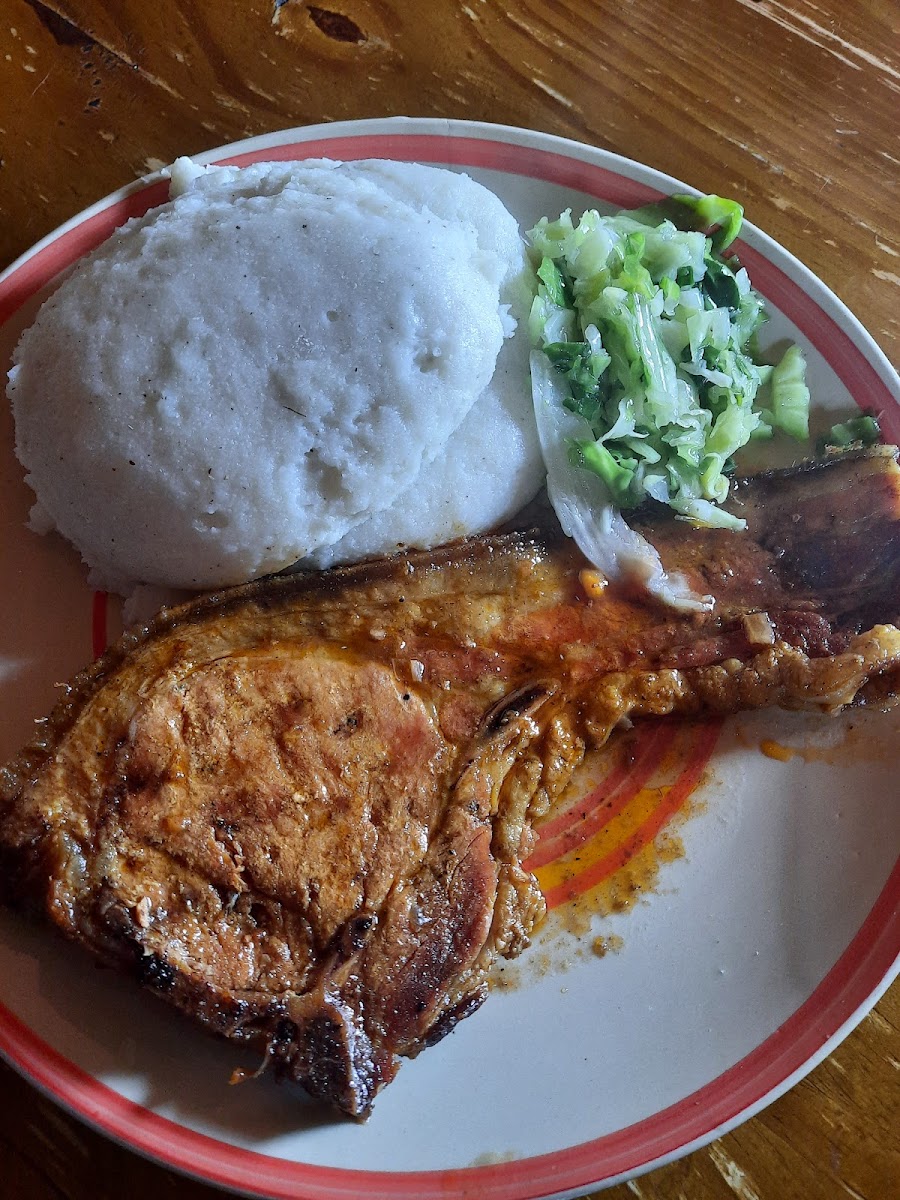
The heart of Kwafatso Kusadza is, of course, its sadza. According to the Food and Agriculture Organization (FAO), maize is a staple for over 60% of Zimbabwe’s population, and sadza remains the cornerstone of daily meals. Here, the preparation follows a traditional method: finely milled white maize meal is gradually added to boiling water while being continuously stirred to achieve the perfect thick, smooth consistency. I watched one of the cooks demonstrate the process in the open kitchen-steady hands, rhythmic motion, and careful control of heat. It’s a skill that looks simple but takes years to master.
Pairing the sadza with stewed beef and covo vegetables was an experience in itself. The beef had been simmered for hours with tomatoes, onions, and mild spices, creating a rich, comforting sauce. The greens were lightly sautéed, preserving their nutrients and earthy flavor. The World Health Organization often emphasizes the importance of leafy vegetables in maintaining a balanced diet, and dishes like this show how traditional cuisine can align beautifully with modern nutritional advice.
What stood out during my visit was the restaurant’s commitment to sourcing ingredients locally. Farmers from nearby rural communities supply fresh produce and free-range poultry. This farm-to-table approach not only supports the local economy but also ensures that every meal tastes fresh and authentic. A case in point: during my second visit, the owner explained how seasonal changes influence the menu. When pumpkin leaves are in peak season, they’re featured prominently, adding variety without compromising tradition.
Reviews from diners consistently highlight the generous portions and fair pricing. Families gather here for weekend lunches, while office workers drop in for hearty midday meals. The atmosphere shifts subtly throughout the day-busy and animated at lunchtime, calmer and intimate in the evening. Either way, the service remains attentive without being intrusive.
From a broader perspective, Zimbabwean cuisine has gained increasing recognition in regional culinary circles. Organizations like the Zimbabwe Tourism Authority continue to promote traditional eateries as part of the country’s cultural heritage. Kwafatso Kusadza fits squarely into that narrative. It’s not trying to reinvent local food; instead, it preserves it with pride.
There are, of course, minor limitations. Because the diner prioritizes freshness and traditional preparation methods, some dishes may take a little longer to arrive at your table. However, once you taste the result, the wait feels justified. Also, the menu leans heavily toward meat-based options, though vegetarian choices like bean stew and leafy greens are available.
What truly keeps people coming back is the sense of authenticity. In a world where fast food chains are spreading rapidly across urban Zimbabwe, places like this remind you of home-cooked meals and shared stories around the table. Whether you’re exploring the area for the first time or you’ve lived in Zimbabwe your whole life, dining here feels both grounding and memorable.
Good to know
Service options
✓ Outdoor seating ✓ Takeaway ✓ Dine-inPopular for
✓ Breakfast ✓ Lunch ✓ Dinner ✓ Solo diningOfferings
✓ Quick bite ✓ Small platesDining options
✓ Breakfast ✓ Lunch ✓ Dinner ✓ Catering ✓ SeatingAmenities
✓ ToiletAtmosphere
✓ Casual ✓ TrendyCrowd
✓ Groups ✓ Tourists ✓ University studentsPlanning
✓ Usually a waitChildren
✓ Good for kidsParking
✓ Free of charge street parking ✓ Free parking lotPhotos
1 / 4
Location
Reviews
- No ratings yet 173 reviews
Great meals, a bit pricey but better than anywhere in mutare.....
It's been 2 years since my last review. The place has changed big time. Great service, great food, great prices. Love the fire cooked meals, they remind me of kumusha (home in the rural areas) in a lovely way. Will be dining there frequently.